
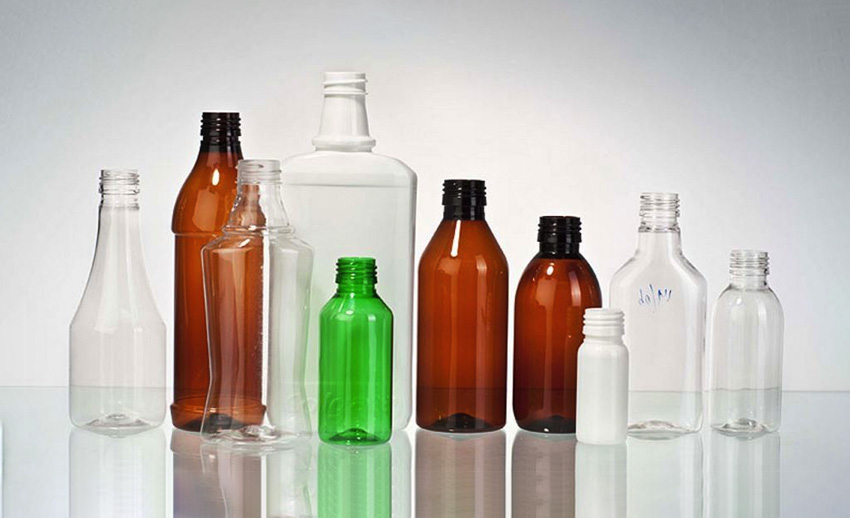
Over the years, different types of plastic packaging have transformed the food and beverage industry across the UAE and GCC region. From dairy and spices to sauces, snacks, and beverages, modern plastic packaging solutions are helping brands improve food safety, shelf appeal, logistics efficiency, and sustainability.
Today, businesses across the GCC are increasingly choosing rigid plastic packaging because it offers durability, flexibility, lightweight handling, and cost efficiency — all while supporting modern retail and export requirements.
Here are some of the most commonly used plastic packaging materials in the GCC food industry.
Polypropylene (PP)
Polypropylene (PP) is one of the most versatile and widely used plastic materials in food packaging.
PP offers:
- Excellent moisture barrier properties
- High heat resistance
- Strong durability
- Lightweight handling
- Good chemical resistance
Due to its versatility, PP is commonly used for:
- Dairy containers
- Ice cream tubs
- Yogurt cups
- Food takeaway containers
- Bottle caps and closures
- Microwave-safe packaging
- Thin-wall food containers
PP packaging is also highly suitable for in-mould labelling (IML), which provides premium shelf appearance while supporting durable decoration solutions.
Another major advantage of PP is recyclability. As sustainability initiatives continue growing across the GCC region, recyclable packaging materials are becoming increasingly important for both manufacturers and consumers.
Polyethylene Terephthalate (PET)
PET has become one of the fastest-growing packaging materials in the UAE and GCC food industry.
PET packaging is known for:
- High clarity and transparency
- Strong impact resistance
- Lightweight structure
- Excellent moisture and gas barrier properties
- Good recyclability
PET is widely used for:
- Water bottles
- Beverage bottles
- Spice containers
- Wide-mouth food jars
- Sauce bottles
- Dry food packaging
- Edible oil packaging
Its transparent appearance helps brands improve product visibility and enhance shelf appeal — especially important in modern retail environments where packaging influences consumer purchasing decisions.
PET is also one of the most widely recycled plastics globally, making it a strong packaging option for businesses looking to align with sustainability goals and evolving environmental regulations in the GCC.
High-Density Polyethylene (HDPE)
HDPE is another commonly used packaging material, especially for products requiring strong durability and chemical resistance.
HDPE packaging offers:
- High strength
- Excellent durability
- Good chemical resistance
- Strong moisture barrier properties
- Lightweight performance
Common HDPE applications include:
- Milk bottles
- Pharmaceutical bottles
- Household product containers
- Industrial packaging
- Detergent bottles
- Personal care packaging
HDPE is especially popular in dairy and pharmaceutical packaging due to its robust structure and ability to protect products during transportation and storage.
Why Plastic Packaging Continues to Grow in the GCC
Plastic packaging remains a preferred choice across the GCC food industry because it provides several operational and commercial advantages.
Product Protection and Shelf Life
Modern plastic packaging helps protect products from:
- Moisture
- Contamination
- Oxygen exposure
- External damage
Advanced packaging technologies can also improve shelf life and reduce food waste.
Lightweight and Logistics Efficiency
Compared to glass or metal packaging, plastic packaging is significantly lighter, helping businesses:
- Reduce transportation costs
- Improve logistics efficiency
- Lower handling risks
- Optimize warehouse storage
This is especially valuable for businesses exporting products across GCC, African, and Asian markets.
Design Flexibility and Branding
Plastic packaging allows businesses to create:
- Unique shapes and sizes
- Premium shelf presentation
- Transparent packaging formats
- Custom branding and decoration
Technologies such as in-mould labelling and advanced printing methods help brands strengthen shelf differentiation in increasingly competitive retail environments.
Sustainability and the Future of Packaging
Sustainability is becoming one of the biggest drivers shaping the future of packaging in the GCC region.
Today, manufacturers are increasingly focusing on:
- Recyclable packaging
- Lightweight designs
- Reduced material usage
- Energy-efficient manufacturing
- Recycled plastic integration
As consumer awareness and sustainability regulations continue evolving, businesses are expected to invest further in innovative and environmentally responsible packaging solutions.
The Future of Plastic Packaging in the UAE and GCC
The GCC packaging industry continues to evolve alongside the growth of modern retail, food manufacturing, e-commerce, and export markets.
Packaging today is no longer just about protection — it is part of the overall brand and consumer experience.
Businesses that invest in innovative, sustainable, and high-quality packaging solutions will be better positioned to compete in the rapidly growing GCC marketplace.