
Introduction
In the GCC food industry, packaging plays a much bigger role than simply protecting a product. From extreme summer temperatures to long transportation routes and demanding retail environments, the right packaging solution can directly impact product quality, operational efficiency, sustainability, and overall customer experience.
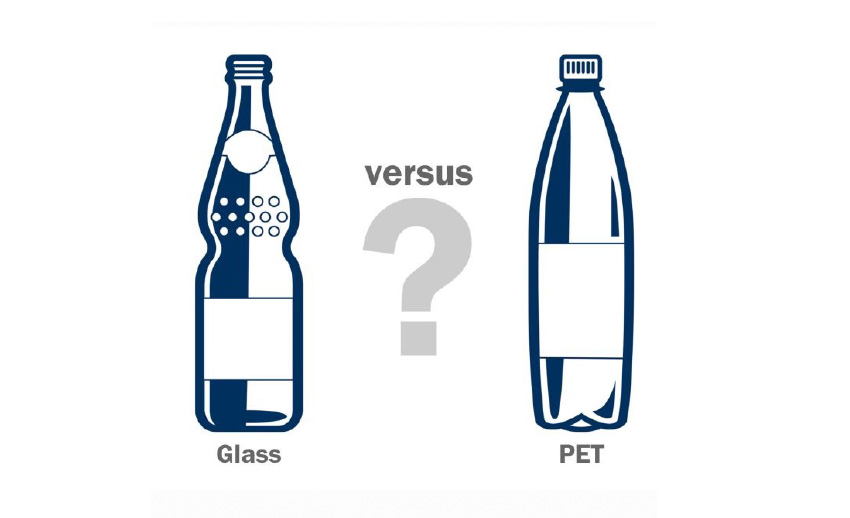
For many food manufacturers across the UAE and GCC, the discussion often comes down to two common choices: PET packaging or glass packaging.
While glass has traditionally been viewed as a premium solution, PET packaging continues gaining momentum across the region due to its lightweight nature, durability, convenience, and evolving sustainability profile.
At TPAC, we work closely with food and beverage brands across the GCC to develop rigid packaging solutions that balance performance, shelf appeal, reliability, and operational efficiency.
Understanding PET Packaging
PET (Polyethylene Terephthalate) is one of the most widely used food-grade packaging materials globally. It is commonly used for:
- Spices and seasonings
- Nuts and dry foods
- Sauces and condiments
- Dairy applications
- Beverage bottles
- Protein powders and supplements
- Confectionery packaging
PET packaging is known for its:
- High clarity
- Lightweight properties
- Strength and durability
- Excellent shelf presentation
- Recyclability
These advantages make PET an increasingly preferred solution for GCC food manufacturers looking for practical and scalable packaging options.
Glass Packaging: Traditional but Challenging
Glass packaging has long been associated with premium food products due to its appearance and strong barrier properties. It is commonly used for:
- Sauces
- Pickles
- Jams
- Premium beverages
- Specialty food products
However, glass packaging can also create operational challenges, particularly in GCC markets where transportation conditions and logistics efficiency are critical considerations.
PET vs Glass: Key Comparison
1. Lightweight & Logistics Efficiency
One of PET packaging’s biggest advantages is its lightweight nature.
Compared to glass packaging, PET:
- Reduces transportation costs
- Improves logistics efficiency
- Lowers fuel consumption
- Simplifies warehouse handling
- Helps optimize freight utilization
For GCC businesses supplying across multiple regional markets, lightweight packaging can create significant operational and cost advantages.
2. Breakage Resistance
Glass packaging is naturally fragile and more susceptible to breakage during:
- Transportation
- Warehousing
- Retail handling
- Consumer use
PET packaging offers excellent impact resistance, helping brands reduce:
- Product damage
- Wastage
- Safety risks
- Distribution losses
This is especially valuable for fast-moving retail and export-oriented supply chains across the GCC.
3. Consumer Convenience
Today’s consumers increasingly value convenience and portability.
PET packaging provides:
- Easy handling
- Lightweight portability
- Resealable solutions
- Greater practicality for daily use
Wide-mouth PET jars, in particular, are becoming increasingly popular across the GCC food sector for:
- Spices
- Snacks
- Dry foods
- Confectionery
- Health supplements
4. Sustainability Considerations
Sustainability is becoming an important focus for brands across the UAE and GCC.
Modern PET packaging supports sustainability initiatives through:
- Recyclability
- Lightweight carbon reduction benefits
- Increasing adoption of recycled PET (rPET)
- Support for circular economy initiatives
As sustainability expectations continue evolving, PET packaging technologies are also advancing to support more environmentally responsible packaging solutions.
5. Shelf Appeal & Branding
Both PET and glass packaging can create strong shelf presence. However, PET offers:
- High product visibility
- Flexible design possibilities
- Custom shapes and finishes
- Strong branding opportunities
For many brands, PET packaging delivers a premium look while maintaining operational flexibility and efficiency.
6. Cost Efficiency
PET packaging generally provides:
- Lower transportation costs
- Reduced breakage losses
- Better manufacturing scalability
- Improved operational flexibility
This makes PET an attractive solution for growing food brands looking to scale efficiently across GCC markets.
When Glass Packaging Still Makes Sense
Glass packaging may still be suitable for:
- Ultra-premium positioning
- Specialty gourmet products
- Certain hot-fill applications
- Products requiring very high barrier protection
Ultimately, the ideal packaging choice depends on:
- Product application
- Brand positioning
- Distribution model
- Operational priorities
The Future of Food Packaging in the GCC
As the GCC food industry continues evolving, packaging decisions are becoming increasingly strategic.
Brands today require packaging solutions that support:
- Supply chain efficiency
- Product protection
- Shelf appeal
- Sustainability goals
- Consumer convenience
PET packaging continues gaining momentum across the region due to its versatility, durability, and ability to support modern food packaging requirements.
At TPAC, we support brands across the GCC with innovative rigid packaging solutions designed for quality, reliability, hygiene, and scalability.
We work closely with customers to develop packaging solutions tailored to their market and operational requirements.